Applying the FEED Phase to Reengineer the Future of Oil + Gas
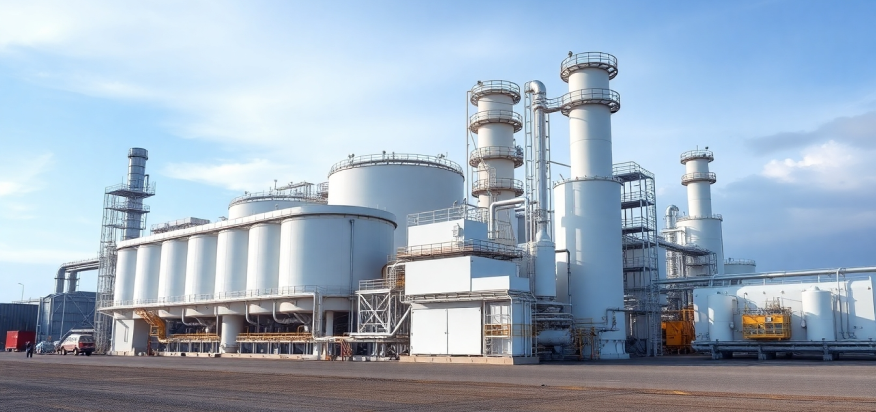
Applying the FEED Phase to Reengineer the Future of Oil & Gas
As the global energy landscape evolves, oil and gas companies are under increasing pressure to deliver projects that are safer, cleaner, faster, and more cost-effective. In this transformation, one phase has emerged as a critical driver of project success: Front-End Engineering Design (FEED).
Far beyond a preliminary planning step, the FEED phase has become a powerful tool for reengineering how oil and gas projects are conceived, designed, and executed.
What is FEED — and Why Does It Matter?
FEED is the engineering and planning stage between conceptual design and detailed engineering. It defines the project’s technical requirements, cost estimates, execution strategy, and risk profile long before construction begins.
In today’s high-stakes energy environment, FEED enables companies to:
-
Reduce cost overruns
-
Improve schedule certainty
-
Strengthen safety and compliance
-
Optimize plant performance
-
Enhance long-term operational reliability
By establishing clarity early, teams avoid expensive redesigns and ensure that every downstream decision is aligned with the project’s goals.
Reengineering Oil & Gas Through Smarter FEED
Modern FEED practices are no longer about simply drafting specifications. They now incorporate high-end tools, data intelligence, and frontier engineering thinking. This shift is helping the industry reengineer itself for the future.
Here’s how FEED is transforming project development:
1. Digital Engineering for Better Precision
Advanced modeling, 3D simulation, and digital twins allow engineers to visualize assets with accuracy before a single piece of equipment is built.
This minimizes clashes, improves equipment layout, and ensures seamless constructability.
2. Integrated Cost & Schedule Optimization
FEED integrates CAPEX/OPEX modeling, risk assessment, procurement planning, and construction sequencing.
This reduces uncertainties and ensures predictable project outcomes—a key priority for operators and investors.
3. Sustainability Built into the Design
With global focus on lower emissions and enhanced efficiency, FEED enables early adoption of:
-
Low-carbon technologies
-
Heat integration systems
-
Energy-efficient equipment
-
Waste and emissions reduction strategies
By embedding sustainability during FEED, facilities become cleaner and future-ready.
4. Modularization & Prefabrication Strategies
Modern FEED also evaluates how much of a plant can be modularized.
Modular construction:
-
Reduces onsite work
-
Improves safety
-
Speeds up project timelines
-
Ensures higher fabrication quality
This is especially valuable for remote, offshore, or challenging environments.
The Business Impact: Faster, Smarter, More Competitive Projects
Companies that excel in FEED gain a competitive edge. A strong FEED framework leads to:
-
15–30% reduction in total installed cost
-
Fewer project delays
-
More accurate bidding and contracting
-
Higher lifecycle performance of the asset
For EPC contractors and technology providers, FEED also acts as a trust-building stage—setting the foundation for long-term partnerships with operators.
Shaping the Future of Energy Projects
As the oil and gas sector moves toward digitalization, decarbonization, and efficiency-driven models, the value of FEED has never been greater. It is not just an engineering milestone—it is the strategic backbone of next-generation project development.
By applying FEED methodologies with innovation, collaboration, and digital intelligence, the industry is reengineering itself for a more resilient and sustainable future.

Author